Small signs throughout the ITC grounds and Besant Hall provide brief descriptions of notable places and objects. Further information is available here.
Devi Tara, a statue in the Javanese Hindu-Buddhist tradition
Tara, in her Green and White forms, is one of the best-known female Buddhas. She is widely revered as an enlightened Mother who embodies swift compassion, protection, and active wisdom. Honored in both Buddhism and Hinduism, she appears under many names in religions and cultures around the world, including Tara Bosatsu in Japan. People call upon her in times of despair, much as they turn to the Virgin Mary or Kwan Yin. She represents the Divine Feminine, in Theosophy known as the World Mother.
This statue of Devi Tara comes from Indonesia and reflects Java’s Hindu-Buddhist heritage, combining elements of both traditions. Its style closely resembles the renowned thirteenth-century statue of Prajñāpāramitā in the National Museum of Indonesia in Jakarta.
The ITC’s Devi Tara statue was recently carved in Indonesia from hard lava stone. In her left hand, she holds a lotus stem, with the flower resting at her shoulder as a symbol of beauty and rebirth. A small stupa crowns her head, and her hair is intricately carved at the back. The statue stands opposite the Buddha as his feminine counterpart, or shakti, in the Hindu tradition.
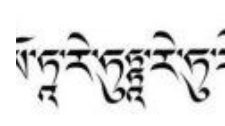
The principal Sanskrit mantra of Tara is shared by Buddhists and Hindus:
oṃ tāre tuttāre ture svāhā.