
- This event has passed.
The School of the Wisdom Naarden (SOWN) – The Yoga-Sūtras of Patañjali
The School of the Wisdom of the Theosophical Society (Adyar) is dedicated to fostering deep study, reflective inquiry, and inner transformation grounded in the perennial wisdom tradition. It offers members of the Society an opportunity to approach Theosophy as a living path of insight, discernment, and wisdom.
The School originated as the Brahmavidyā Āśrama, founded in 1922 by Annie Besant, J. Krishnamurti, James H. Cousins, C. Jinarajadasa, and other prominent members of the Theosophical Society. After a period of inactivity, it was reactivated in 1949 by Jinarajadasa under the name The School of the Wisdom. Since then, it has continued to offer programmes for members of the Theosophical Society Adyar worldwide, at the international headquarters of the Theosophical Society in Chennai, India.
We are now inaugurating The School of the Wisdom Naarden (SOWN), in accordance with the wish of the International President of the Theosophical Society, Tim Boyd, and under the directorship of Erica Georgiades. The SWN will offer concise yet profound programmes designed to inspire reflection, awaken intuitive understanding, and uplift the human spirit, while remaining faithful to the living wisdom tradition at the heart of Theosophy.
The School in Naarden is open for TS members and all those with a serious quest for the subject, so we warmly invite you to join us for the inaugural programme of SOWN, launching in 2026.
The Yoga-Sūtras of Patañjali As a Science of Self-Knowledge – A Theosophical Approach with Ricardo Lindemann, PhD.
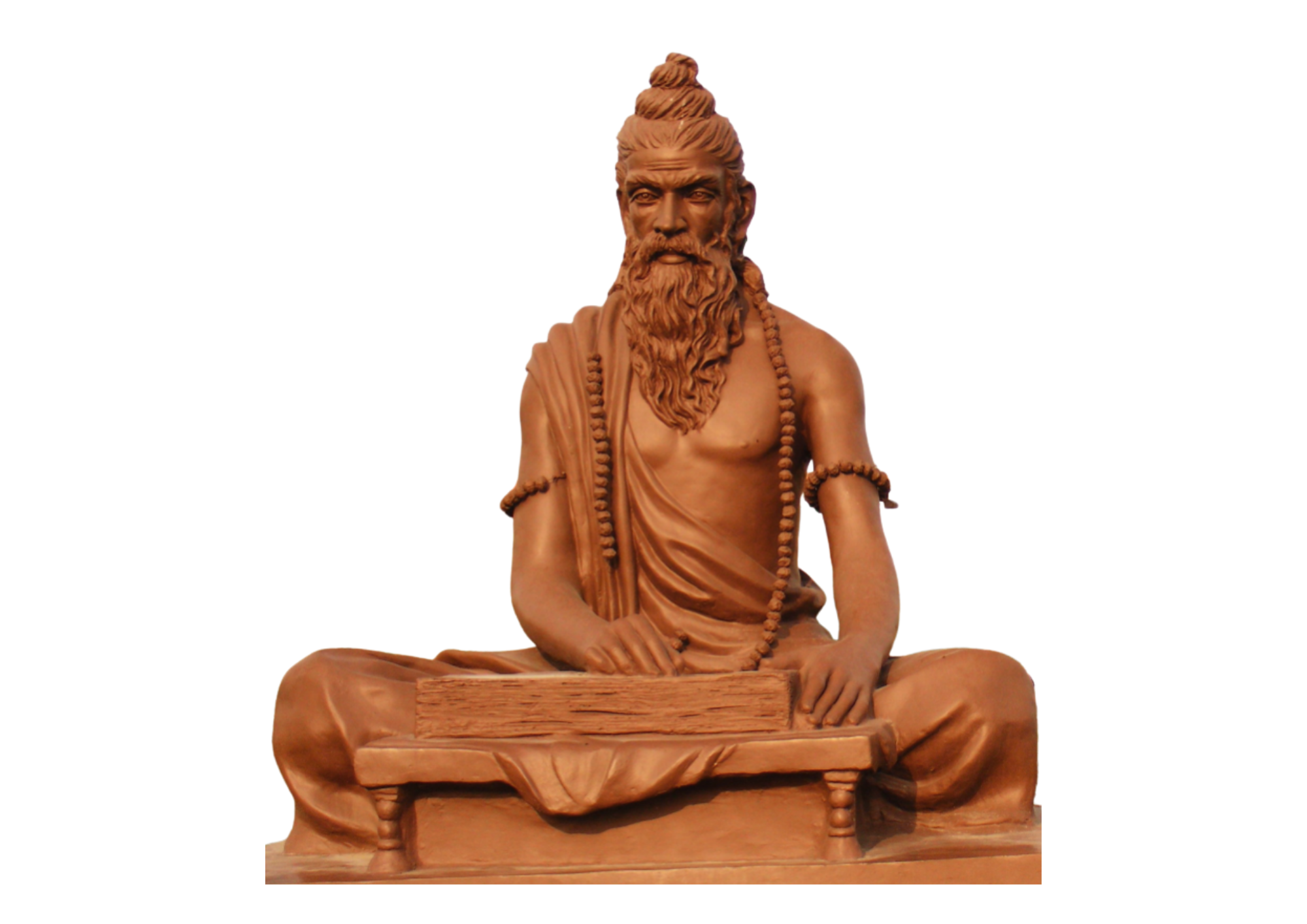
Patañjali
Patañjali is a name traditionally associated with one or more authors of classical Sanskrit philosophy, whose historical identity remains uncertain. Several works are attributed to this name, most notably the Yoga Sūtras, a foundational text of the classical yoga tradition.
The Yoga-Sūtras
The Yoga-Sūtras of Patañjali constitute a foundational text of classical yoga philosophy and open with one of its most well-known and significant aphorisms, Yoga-Sūtra I: 2: “Yogaś cittavritti-nirodhah” stating that yoga is the cessation of the fluctuations of the mind. When the mind is still, the true Self is revealed.
The Programme
This theoretical–practical programme offers a profound and experiential introduction to the Yoga-Sūtras of Patañjali as a living science of self-knowledge and inner transformation. Rather than approaching yoga merely as a physical or wellness discipline, the course presents it as a complete philosophical and ethical system aimed at the cessation of suffering and the awakening of consciousness.
Grounded in both classical yoga and Theosophical perspectives, the programme explores nine essential techniques described by Patañjali for overcoming distraction, inner conflict, and mental fragmentation—conditions that are particularly relevant in the fast-paced and overstimulated world we inhabit today. Participants will engage in reflective dialogues on the Yoga-Sūtras and its deep resonances with core Theosophical teachings, including the Laws of Karma and Reincarnation, the evolutionary journey of the soul, and the gradual unfolding of self-knowledge.
According to Patañjali and many ancient sages, spiritual ignorance (avidyā) is the root cause of suffering and moral confusion. Liberation, therefore, is not achieved through belief, but through discernment, ethical living, and sustained inner practice. The path of yoga is presented here as an integrated discipline, beginning with Preliminary Yoga and unfolding through ethical self-restraints and observances (yama and niyama), postures, breath regulation, sense withdrawal, concentration, contemplation, and ultimately states of deep inner stillness and insight.
This programme is especially valuable for seekers who wish to deepen their understanding of yoga beyond technique, for Theosophists interested in practical applications of perennial wisdom, and for all who seek clarity, inner stability, and a meaningful framework for spiritual growth. It offers not only study, but orientation—a compass for living consciously and responsibly on the path of inner evolution.
A wide range of books and commentaries on the Yoga Sūtras is available today. Within the Theosophical Society, one of the most in-depth and influential commentaries on this work was written by Dr I. K. Taimni. His book, The Science of Yoga, is widely regarded as an authoritative and highly valuable interpretation of the Yoga Sūtras. In the Netherlands, this commentary has been published under the title The Yoga Sūtras of Patañjali and has remained a bestseller for many years, being extensively used in various yoga schools.
Literature
A wide range of books and commentaries on the Yoga Sūtras is available today. Within the Theosophical Society, one of the most in-depth and influential commentaries on this work was
written by Dr I. K. Taimni. His book, The Science of Yoga, is widely regarded as an authoritative and highly valuable interpretation of the Yoga Sūtras. In the Netherlands, this commentary has been published under the title The Yoga Sūtras of Patañjali and has remained a bestseller for many years, being extensively used in various yoga schools.
RICARDO LINDEMANN, PhD
Ricardo has been a TS member in Brazil since 1979, is a civil engineer, and in 2021 wrote his PhD in Science of Religion,“The Yoga-Sūtras as a Science of Self-Knowledge”, based on Patañjali. He taught at the School of the Wisdom, Adyar, in 1996, 2011 and 2024.
Daily Schedule
Monday August 17
16.00 arrival
18.00 dinner
20.00 evening programme – 1
Tuesday August 18
8.00 meditation – 1 (Yoga-Sūtra I: 32 – 34)
8.30 breakfast
9.30 welcome day visitors and coffee
10.00 Lecture – 1 Yoga: What is it and why is it necessary?
12.30 lunch
14.00 Lecture – 2 Nine Techniques to Overcome Distractions (I)
18.00 dinner
20.00 evening programme – 2
Wednesday August 19
8.00 meditation – 2 (YS I: 35 – 37)
8.30 breakfast
9.30 welcome day visitors and coffee
10.00 Lecture – 3 Nine Techniques to Overcome Distractions (II)
12.30 lunch
14.00 Lecture – 4 The Yoga Philosophy and the Importance of Self-knowledge
18.00 dinner
20.00 evening programme – 3
Thursday August 20
8.00 meditation – 3 (YS I: 38 – 39)
8.30 breakfast
9.30 welcome day visitors and coffee
10.00 Lecture – 5 The Path of Liberation in the Yoga-Sūtras
12.30 lunch
14.00 Lecture – 6 Investigating the Laws of Nature in Yoga and Theosophy
18.00 dinner
20.00 evening programme – 4
Friday August 21 morning
8.00 meditation – 4 (YS I: 23 – 28)
8.30 breakfast
9.30 Wrap-up; Comments, Questions and Answers, departure.
Costs
Registration fee
Full SWN: €150 for T.S. members and €175 for non-members
Day visitors: €45 per day
Vegan Meals
Full SWN: €175
One full day: €47 per day (breakfast, lunch and dinner)
Lunch only: €17
Accommodation (prices are per person for the full SWN)
Crystal House – single room: €200
Crystal House – 2 pers. room: €160
Lotus House – single room: €210
Lotus House – 2 pers. room: €190
Cottage – single: €230
Cottage – 2 pers.: €165
The flyer of this event can be viewed below or click here to download it directly: